Acacia wood is one of the most commonly used materials for pallet manufacturing due to its reasonable cost and stable supply. However, many manufacturers experience problems such as warped, cracked, or deteriorated pallets after a period of use.
In most cases, these issues are not caused by the wood species itself but by selecting the wrong specifications or using wood that has not been properly processed and dried.
So, is acacia wood really a good choice for pallets, and how should you choose the right material to minimize production risks?
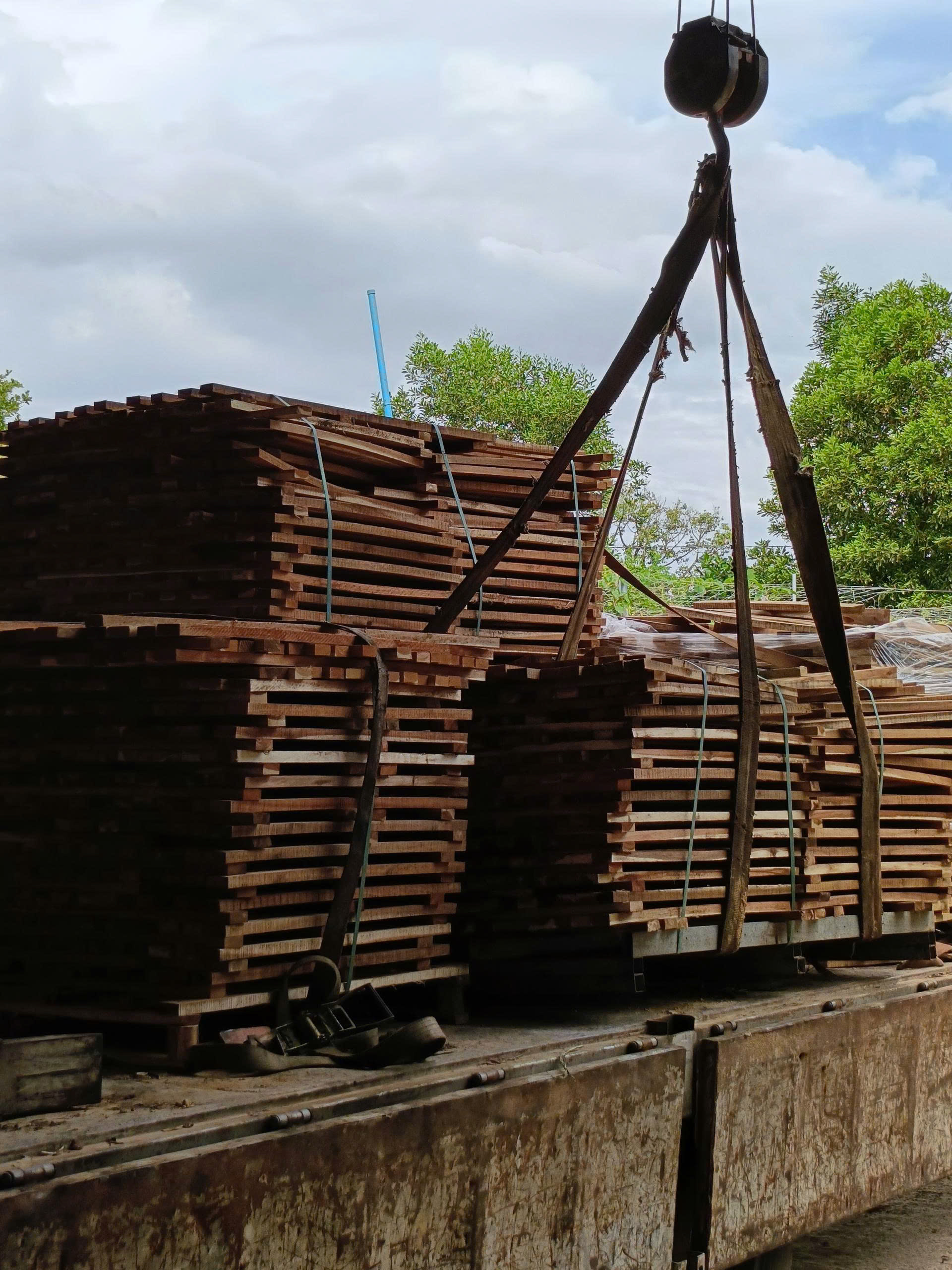
>>> Read more:What Is Acacia Wood? Features, Pros & Cons, and Should You Use It?
The answer is YES—provided you choose the right grade of wood and ensure it has been properly processed.
In practice, many pallet manufacturers prefer acacia wood because it offers several advantages:
However, if the wood has not been dried to the proper moisture content or the wrong specifications are selected, pallets are much more likely to develop defects during use.
Compared to many other wood species, acacia wood is more affordable, making it an excellent choice for large-scale pallet production.
This allows businesses to:
Acacia is a plantation-grown timber that can be harvested continuously, providing an abundant and reliable supply.
As a result:
Acacia wood is moderately hard, making it:
These characteristics help manufacturers increase production efficiency while reducing operating costs.
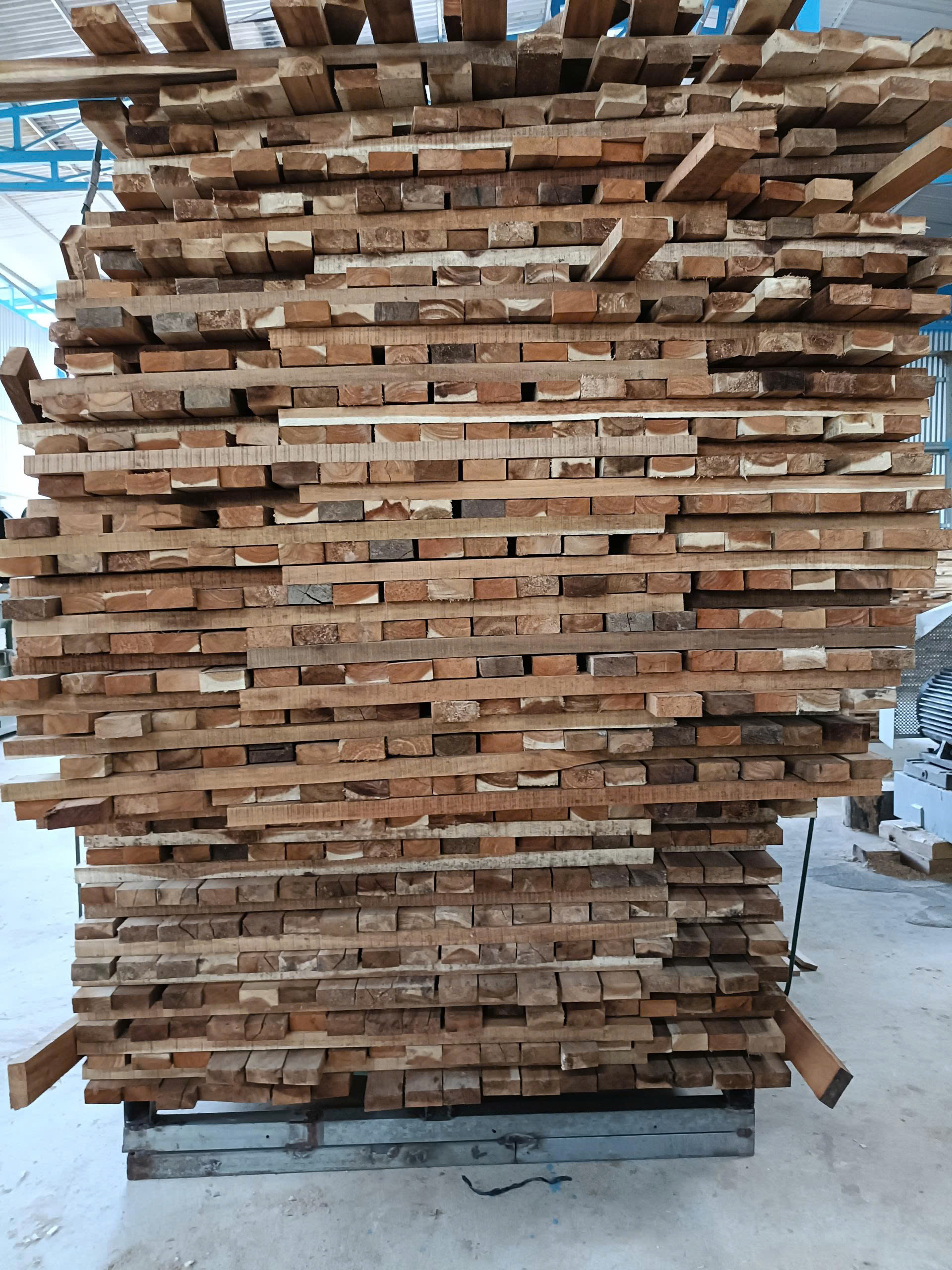
This is the most common issue encountered when using acacia wood.
Typical causes include:
Possible consequences:
Compared with hardwood species, acacia wood:
Not all acacia wood is of the same quality. Choosing an unreliable supplier may result in:
In reality, most pallet problems are not caused by the wood species itself but by poor raw material quality and inadequate processing, especially improper kiln drying and moisture control before production.
Selecting the right wood is the most important factor in preventing costly issues later in production.
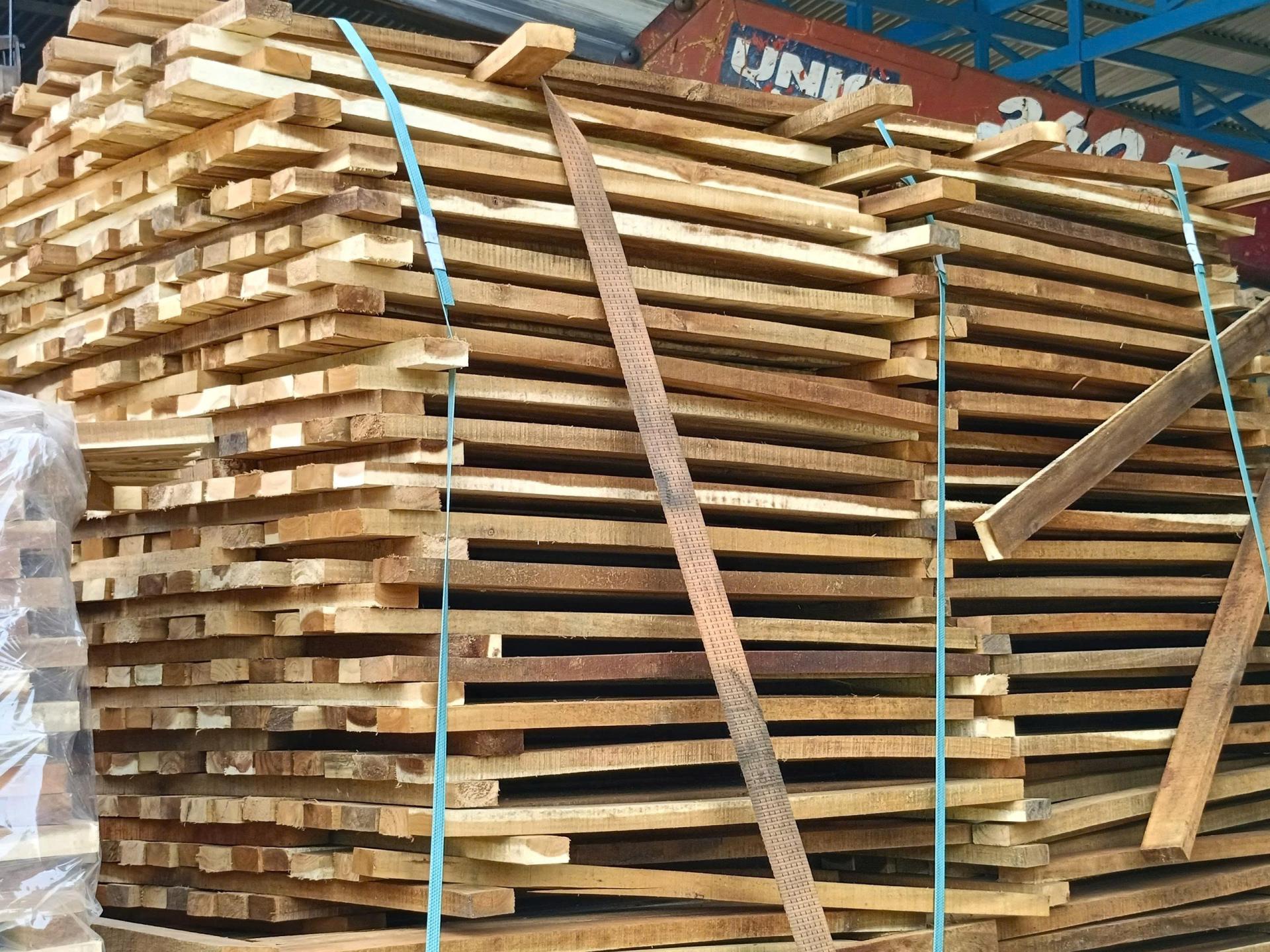
The recommended moisture content is approximately 18–20%.
This helps:
Avoid using one pallet design for every application.
Choosing the appropriate specifications improves safety while minimizing material waste.
Avoid lumber that is:
These defects directly affect pallet strength and durability.
A dependable acacia wood supplier should provide:
A reliable supplier helps maintain stable production and reduces manufacturing risks.
Acacia wood is an excellent material for pallet manufacturing when the correct grade is selected and the wood is properly processed. Its competitive price, reliable availability, and ease of machining make it a practical solution for many manufacturers.
To ensure long-term performance, priority should be given to purchasing kiln-dried wood with the proper moisture content from a reputable supplier.
Acacia wood offers moderate durability. When kiln-dried to a moisture content of approximately 18–20% and used within its intended load capacity, acacia pallets perform reliably in practical applications.
The primary causes are excessive moisture content and insufficient kiln drying before manufacturing.
Yes. Acacia wood can be used for export pallets if it complies with the required treatment standards, such as kiln drying and ISPM 15 heat treatment or fumigation where applicable, and is intended for medium-duty loads.